

Superman, explained · Weaknesses
Kryptonite.
Every colour. Every effect.
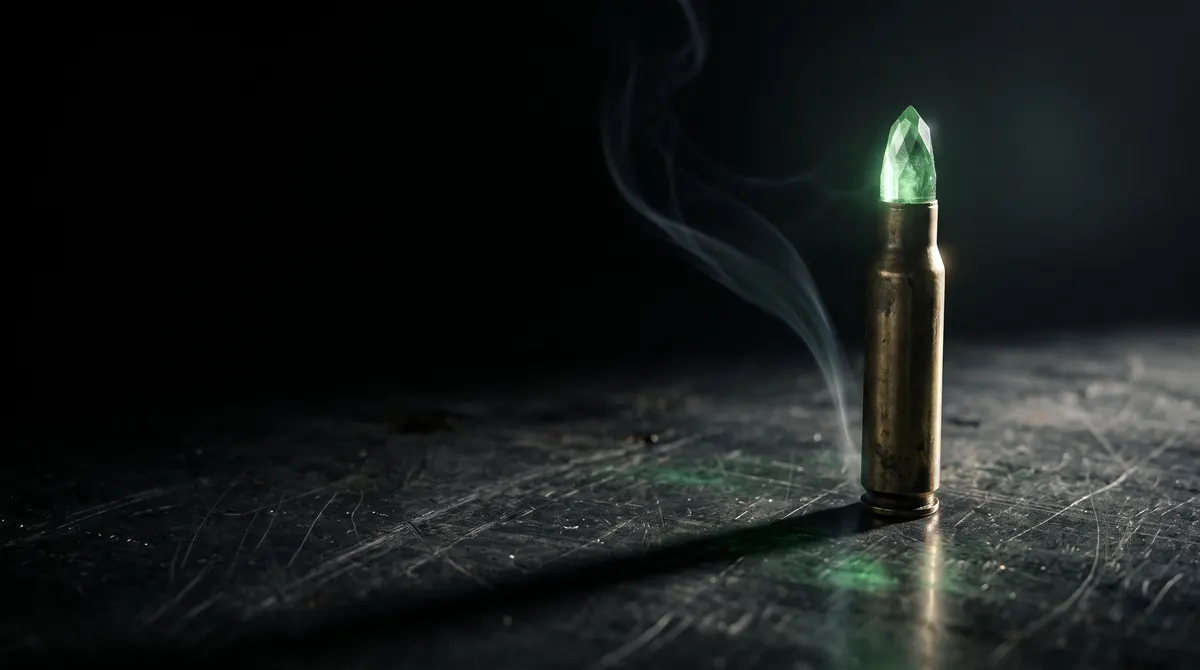
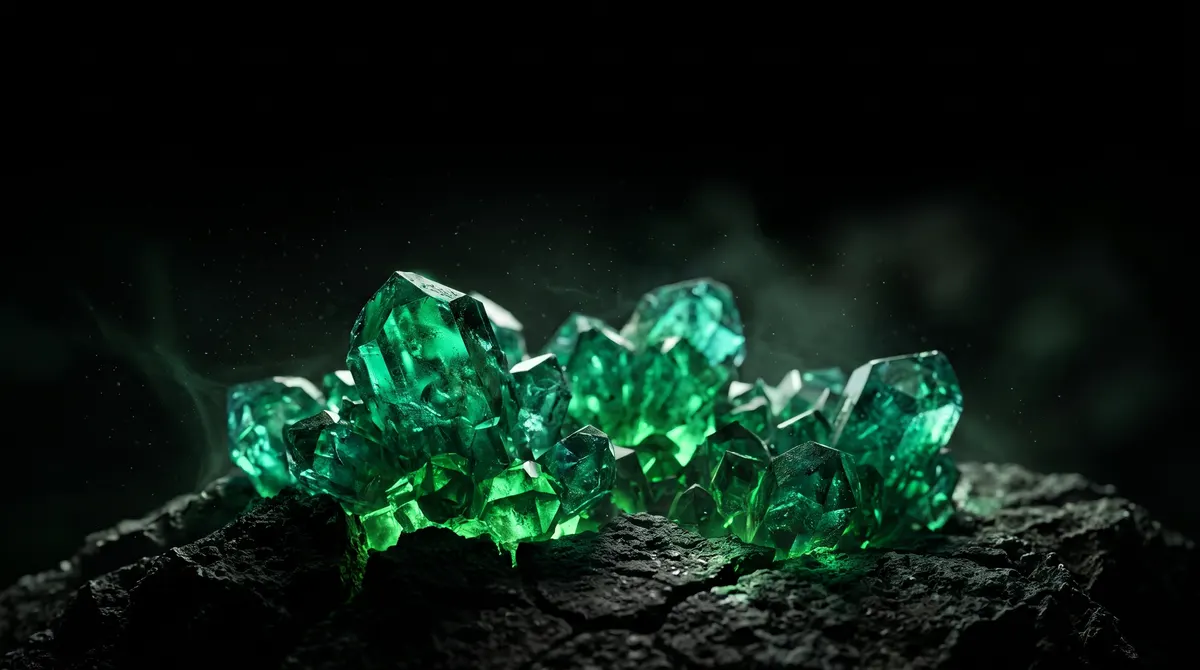
Kryptonite is radioactive rock from Superman's destroyed home planet, Krypton. Green kryptonite weakens him and long exposure can kill him; red, gold, blue, black and more than a dozen other colours have different effects. Kryptonite was invented for The Adventures of Superman radio serial in June 1943, reached the comics in Superman #61 (1949) and was codified as green in Action Comics #161 (1951).
Updated · 12 sources
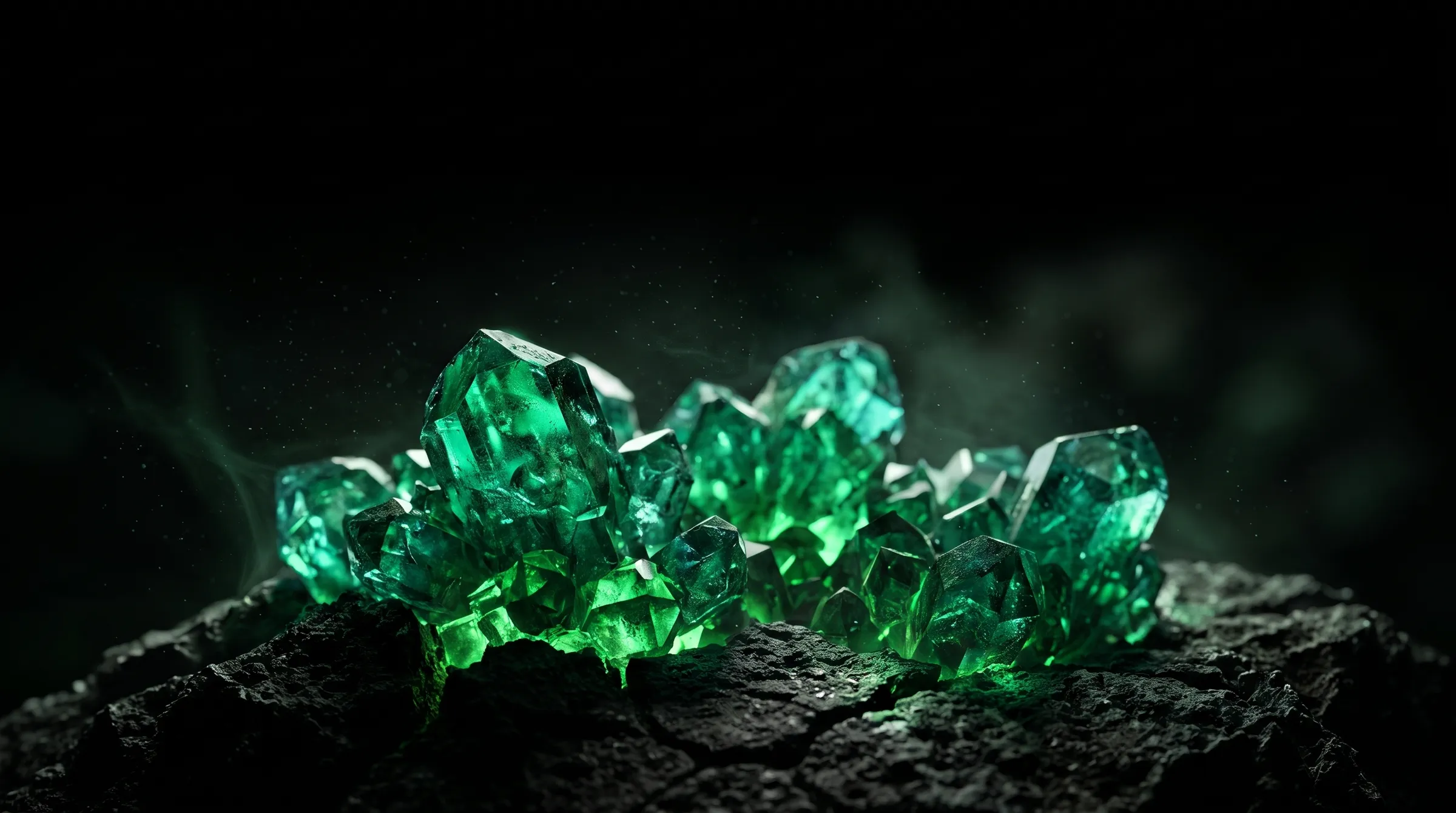
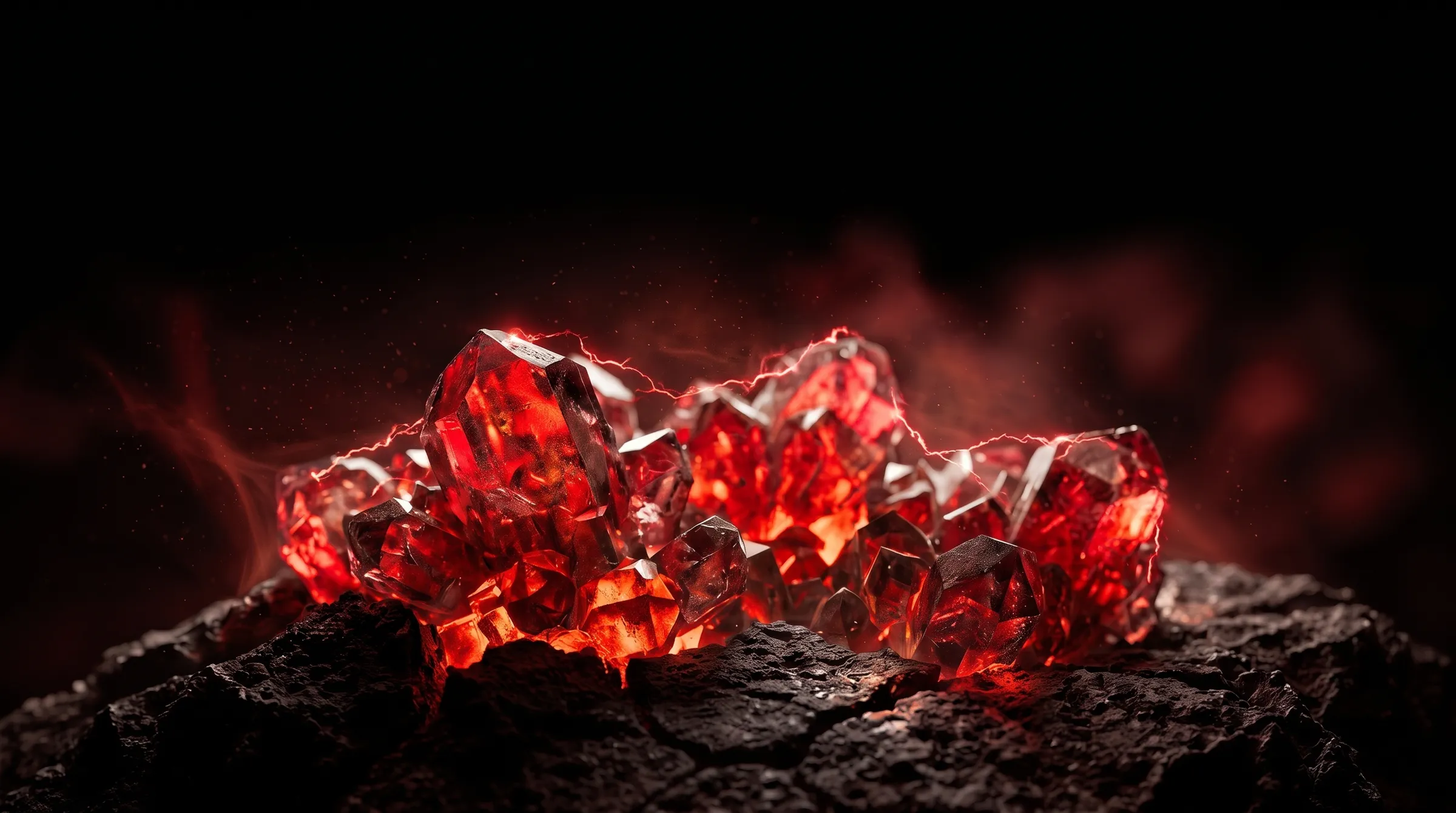
Green weakens him. Red changes him.
Green kryptonite is the classic: it weakens him in seconds, and long exposure can kill him.
Red kryptonite is the wild card: its effects are unpredictable and change every time, but they wear off.
Get the highlights.
First seen
The Adventures of Superman (radio serial), 'The Meteor from Krypton'.
1943
In depth
The full story.
Kryptonite is the most famous weakness in comics. It’s the glowing remains of Superman’s home world, and it comes in far more colours than most people realise. This page covers the core five first, then every other variety, with first appearances from the sources listed below.
What is kryptonite?
Kryptonite is radioactive debris from the planet Krypton, created when the planet exploded. It travelled to Earth in meteors (in Silver Age comics, through a “space warp” from Krypton’s distant star system). Golden and Silver Age stories call it an element; after the 1986 reboot it became a compound. Lead blocks its radiation, which is why villains keep it in lead boxes.
When was kryptonite introduced?
Kryptonite was invented for radio, not the comics. It debuted in The Adventures of Superman radio serial in the episode “The Meteor from Krypton” in June 1943. A 1940 comic story called “The K-Metal from Krypton” had already used the idea, but it was never published. Kryptonite reached the comics in Superman #61 (November–December 1949), six years after its radio debut.
There’s a twist: the first kryptonite in the comics was red. DC’s own Kryptonite Catalogue (May 2025) says the rock in Superman #61 was coloured red, and that green was codified as the standard colour in Action Comics #161 (August 1951). So “1949” is right for kryptonite, and “1951” is right for green kryptonite.
The core five kryptonite colours
These are the five colours that appear most often and that every fan knows. Green and red follow DC’s Kryptonite Catalogue (2025); the others come from Wikipedia’s kryptonite table.
| Colour | What it does to Superman | First appearance | Confidence |
|---|---|---|---|
| Green | Weakness, pain, loss of powers; long exposure kills | Radio (June 1943); codified in Action Comics #161 (1951) | Confirmed |
| Red | Unpredictable, temporary effects | Adventure Comics #255 (1958), per DC | Confirmed |
| Gold | Removes his powers, permanently in classic stories | Adventure Comics #299 (August 1962) or Superman #178 (1965) | Disputed |
| Blue | Harms Bizarros, not Superman | Superman #140 (October 1960) | Likely |
| Black | Splits a person into good and evil halves | Film Superman III (1983); comics Supergirl (vol. 5) #2 (October 2005) | Likely |
Green kryptonite
Green kryptonite is the classic. It causes Superman weakness and pain, strips his powers and, with long exposure, can kill him. It works on every Kryptonian, including Supergirl and the Phantom Zone criminals.
Red kryptonite
Red kryptonite causes unpredictable, temporary changes to a Kryptonian’s body or behaviour. DC lists its first appearance as Adventure Comics #255 (1958) and says its effects usually wear off after one or two days (24 or 48 hours). Earlier in 1958, World’s Finest #96 had treated red as a stronger green, ten times as radioactive. You may read that each piece only works once on a given Kryptonian: no source we trust confirms that rule, so we don’t repeat it.
Gold kryptonite
Gold kryptonite removes a Kryptonian’s powers, and in classic stories the loss is permanent. DC Guide and key-issue sites name Adventure Comics #299 (August 1962), an “imaginary story”, as its debut, with Superman #157 (November 1962) as its first appearance in continuity. Wikipedia lists Superman #178 (1965) instead.
Blue kryptonite
Blue kryptonite hurts Bizarros, the imperfect, opposite-world duplicates of Superman, and leaves Superman unharmed. It first appeared in Superman #140 (October 1960). In Smallville it removes Clark’s powers instead.
Black kryptonite
Black kryptonite splits a person into a good and an evil version. The idea came from the split-personality synthetic kryptonite in Superman III (1983) and reached the comics in Supergirl (vol. 5) #2 (October 2005).
Every other kryptonite colour
More than 20 colours have appeared. Most are one-offs, and some were jokes. This table lists the rest, with the first appearance given by Wikipedia.
| Kryptonite | Effect | First appearance |
|---|---|---|
| White | Kills plant life; no effect on Kryptonians | Adventure Comics #279 (December 1960) |
| Silver | Causes paranoid delusions (first a hoax) | Superman’s Pal, Jimmy Olsen #70 (July 1963) |
| Jewel | Lets the Phantom Zone villains project their powers | Action Comics #310 (March 1964) |
| X (also called orange) | Gives Earth animals temporary powers; it made Streaky the Supercat | Action Comics #261 (February 1960) |
| Magno | Magnetic attraction | Superman’s Pal, Jimmy Olsen #92 (April 1966) |
| Yellow | A Luthor fake, used to intimidate | Action Comics #277 (June 1961) |
| Pink | A comic one-off that changes stereotyped traits | Supergirl (vol. 4) #79 (April 2003) |
| Krimson | Grants one wish; magic-made | Superman (vol. 2) #49 (November 1990) |
| Anti-kryptonite | Affects powerless Kryptonians; later Ultraman’s power source | Action Comics #252 (May 1959) |
| Opal | Instability | Earth 2 #0 (2012) |
| Periwinkle | Joy (from a children’s comic) | Superman Family Adventures #9 (2013) |
| Turquoise and amber | Death Metal oddities | Dark Nights: Death Metal #3 (2020) and a 2021 one-shot |
| Cobalt, speckled, rainbow | Size increase, size decrease, and a trip to the Fifth Dimension | Superman: The Kryptonite Spectrum #2–4 (2025) |
Slow kryptonite, which affects humans the way green affects Kryptonians, first appeared in The Brave and the Bold #175 (1981), when Metallo modifies green kryptonite, according to DC.
Kryptonite on screen
Superman III (1983) introduced a synthetic kryptonite that splits Superman’s personality, the seed of black kryptonite. Smallville (2001–2011) used many colours with its own TV rules. In Superman (2025), Lex Luthor forces Metamorpho to turn his hand into kryptonite. See our Superman (2025) guide and the villains behind most kryptonite plots in Superman’s villains.
Is kryptonite real?
Not quite, but a real mineral came close. In 2006 mineralogist Chris Stanley at the Natural History Museum in London and colleagues confirmed a new mineral found by the mining company Rio Tinto in the Jadar Valley in Serbia. The paper came out in 2007, and in April 2007 the press noticed that its formula (sodium lithium boron silicate hydroxide) almost exactly matched the label on the kryptonite in Superman Returns (2006), which adds fluorine. It is white rather than green, doesn’t glow, contains no krypton and has no effect on anyone’s superpowers, so it was named jadarite. More British Superman connections are on Superman and Britain, and the full science story is in Real kryptonite: the science.
Is lead a weakness too?
No. Lead doesn’t hurt Superman. It blocks his X-ray vision and shields him from kryptonite radiation, which is why it turns up in so many villains’ plans. For the other things that really do hurt him, see Superman’s weaknesses.
Era by era.
The same Superman, rewritten for every generation.
Golden Age (1938–1956)
Kryptonite debuts on radio in 1943 and reaches the comics in Superman #61 (1949), where it's coloured red. Green is codified in Action Comics #161 (1951). It's treated as an element. A 1940 comic story, 'The K-Metal from Krypton', was written but never published.
Silver Age (1956–1970)
The rainbow era: red kryptonite proper arrives in Adventure Comics #255 (1958), and blue (1960), white (1960), gold (1962) and jewel (1964) kryptonite follow. Kryptonite reaches Earth through a 'space warp' from a distant star system.
Post-Crisis (1986–2011)
Kryptonite is redescribed as a compound rather than an element. Black kryptonite crosses over from Superman III into the comics in 2005.
Rebirth and today (2016–)
New varieties keep arriving: Superman: The Kryptonite Spectrum (2025) added cobalt, speckled and rainbow kryptonite.
TV: Smallville (2001–2011)
Smallville uses many colours with its own rules: red removes Clark's inhibitions, blue removes his powers, and jewel kryptonite controls minds. These are TV-only effects.
Film: Superman (2025)
Lex Luthor has Metamorpho turn his hand into kryptonite to weaken Superman in James Gunn's film.
Questions.
Why is Superman weak to kryptonite if he's from Krypton?
Kryptonite isn't ordinary Kryptonian rock. It's what's left of his planet after the explosion, turned radioactive. Its radiation disrupts the cells that store his solar energy. On a healthy Krypton, under its red sun, there was no kryptonite and no powers to disrupt.
What does red kryptonite do to Superman?
Red kryptonite has unpredictable, temporary effects on Superman, from strange behaviour to transformations. DC lists its first appearance as Adventure Comics #255 (1958) and says the effects usually wear off within a day or two. In Smallville (2001–2011) it removes Clark's inhibitions instead, a TV-only rule.
What does gold kryptonite do?
Gold kryptonite removes a Kryptonian's powers, permanently in the classic stories. Sources disagree on its first appearance: Adventure Comics #299 (August 1962), an imaginary story, is backed by DC Guide, with Superman #157 (November 1962) as the first in continuity. Wikipedia lists Superman #178 (1965).
Is kryptonite real?
Not as Superman knows it. In 2006, London's Natural History Museum helped confirm a new Serbian mineral, jadarite. The paper was published in 2007, and the press noticed the match that April. Its formula almost exactly matches the label on the kryptonite in Superman Returns, minus the fluorine. But it's white and powdery, not glowing green, and isn't radioactive. Fictional kryptonite first appeared on radio in 1943.
What do the colours of kryptonite do?
Green weakens and can kill him. Red causes unpredictable, temporary changes. Gold removes his powers permanently in most stories. Blue harms Bizarro. Others include white (kills plants) and black (splits personalities). Effects vary by era, so we label each one by continuity.
Sources
- DC.com: Crushed by Color, a Kryptonite Catalogue (29 May 2025)
- Comics Archeology: Superman #61
- NBC News: real mineral matches Superman's kryptonite (2007)
- LiveScience: real mineral identical to kryptonite
- Wikipedia: Kryptonite
- Wikipedia: Superman
- DC Guide: Gold Kryptonite
- DC Guide: Adventure Comics #299
- Coded Read: Gold Kryptonite
- Superman Through the Ages: Space colours (kryptonite history)
- DC.com: Superman, the Solar Battery (11 June 2025)
- Wikipedia: Superman (2025 film)
Next in weaknesses
Red sun.
Under a red sun, he's only human.
 Red sunUnder a red sun, he's only human.
 MagicThe power his invulnerability can't stop.
 Virus XThe Kryptonian plague that nearly killed him.
 X-ray visionPowers